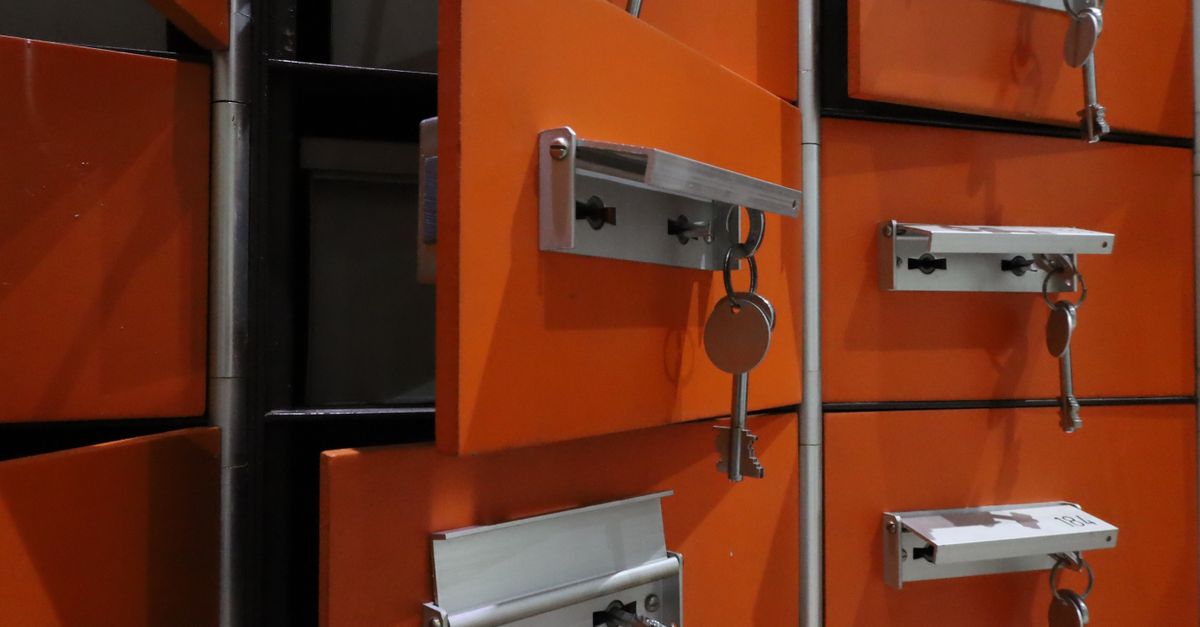
How a Tiered Master Key System Setup Works for Commercial Properties
A tiered master key architecture arranges cylinders into a hierarchy of levels. At the base level, a change key opens one specific lock — a single employee's office or a single storage room. One level up, a sub-master key opens every lock in a defined zone, such as an entire floor or a department wing. Above that, a grand master key opens every lock in the building. For large campuses or property management companies with multiple buildings, a great-grand master sits at the top of the pyramid, giving the owner or head of security a single key that traverses every site. Each level is engineered into the pin stacks of the cylinders themselves, so the hierarchy is mechanical and cannot be circumvented by simply copying a lower-level key.
The practical payoff is significant. A maintenance technician working a residential complex near the Heights neighborhood gets a sub-master that covers utility rooms and common areas but never a tenant's private unit. A department manager in a mid-rise office building gets access to every office in their suite without touching the server room or the executive floor. When someone leaves the company, you rekey only the cylinder or cylinders that key touched — not every lock on the property. Our skilled technicians map this entire structure before cutting a single key, producing a documented key control binder you can hand to the next facilities manager years from now.