Little Rock Locksmiths Service Team
Local locksmith team
Jun 4, 2026 12 min read
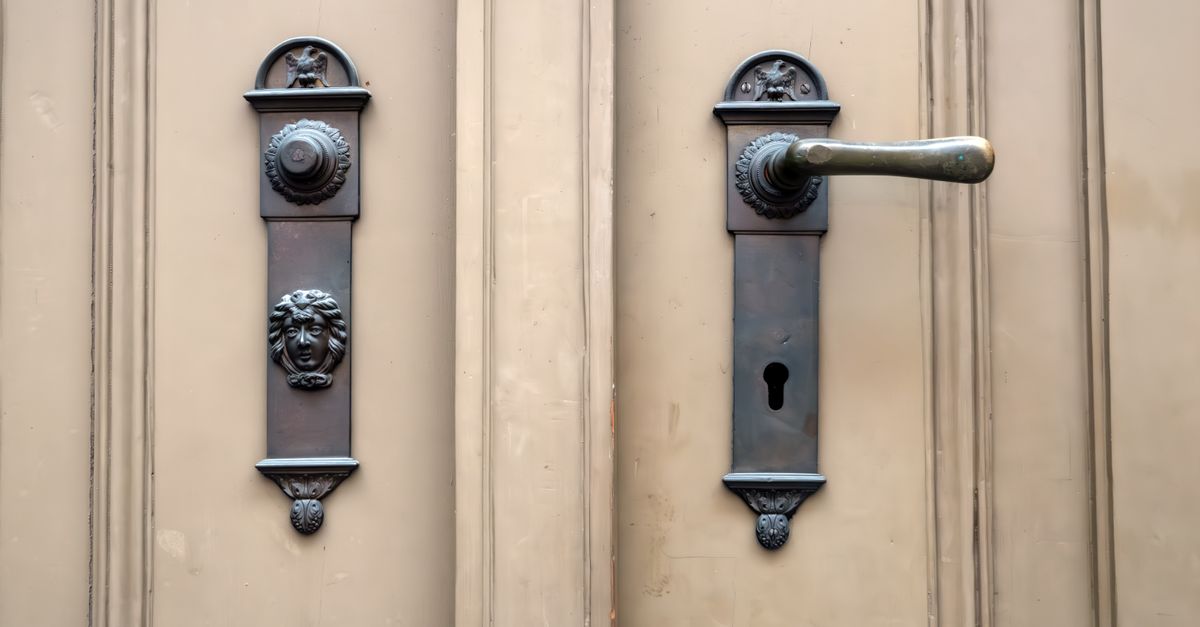
If you live in one of Little Rock's older neighborhoods — think Hillcrest, the Quapaw Quarter, or along streets like North Woodrow — there's a good chance the lock on your front door is nothing like the standard knob-and-deadbolt combo you'd find at a big-box hardware store. Behind that ornate brass faceplate or antique keyhole escutcheon is likely a mortise lock, a mechanism that has been keeping historic homes secure for well over a century. Understanding what you have on your door isn't just a curiosity — it affects who can service it, what replacement parts are available, and how secure your home actually is.
This guide breaks down the real differences between mortise locks and cylindrical locks, explains why so many Little Rock homes were built with the more complex mortise design, and gives you a practical way to identify which type is on your own door right now. Whether you're dealing with a worn-out mechanism, a lost key, or just planning ahead, knowing your lock type is the first step toward making smart security decisions.
## What Is a Mortise Lock — and Why Does It Look So Different?
A mortise lock is a complete locking assembly that is installed inside a carved-out pocket — called a mortise — in the edge of the door. Rather than sitting on the surface of the door like a simple knob lock, the entire mechanism lives inside the door itself, with only the trim, handle, and keyhole escutcheon visible from the outside. The lock body contains multiple moving parts in a single unit: a latch bolt that holds the door shut when it swings closed, a deadbolt that can be thrown manually for added security, and often a separate auxiliary function that allows the knob or lever to be locked from the inside. This integrated design is what separates it from a cylindrical lock, where each function — the latch, the deadbolt, the knob — is a separate piece bolted through the door with a hole saw.
When you look at the edge of a door with a mortise lock set, you'll see a wide, flat faceplate running several inches along the door stile. If your door has this long rectangular plate on the edge rather than a small round one, you almost certainly have a mortise assembly. The lock cylinder — the part that accepts the key — sits separately within that larger body, which means replacing just the cylinder is a distinct task from replacing the entire lock set. Reputable hardware names like Baldwin and Corbin Russwin built their reputations largely on heavy-duty mortise hardware, and older examples of both brands still show up regularly in Little Rock homes and buildings, often still functioning decades after installation.
## Why Historic Little Rock Homes Were Built With Mortise Locks
Mortise lock hardware was the dominant residential and commercial standard in the United States roughly from the late 1800s through the mid-20th century. Little Rock's historic building stock reflects that timeline closely. Neighborhoods like Hillcrest, Country Club Heights, and the Quapaw Quarter contain hundreds of craftsman bungalows, Victorian-era homes, and early 20th-century foursquares that were originally fitted with mortise hardware as a matter of course — not as an upgrade, but because that was simply what doors came with. The thick, solid-wood doors common in that era were also well-suited to the mortise installation process, which requires substantial door thickness and a strong wood stile to accept the lock pocket.
The shift away from mortise locks happened after World War II, when mass residential construction favored faster, cheaper installation methods. The cylindrical lock — sometimes called a bored lock — only requires two round holes drilled through the face and edge of the door. A skilled carpenter could install one in minutes, compared to the careful chisel work needed for a proper mortise pocket. As postwar subdivisions spread outward from downtown Little Rock toward Maumelle and Bryant, newer homes almost universally received cylindrical hardware. So your lock type often tells a quiet story about when and where your home was built.
## How to Tell Which Type of Lock Is on Your Door Right Now
You don't need to call anyone to make a first assessment — a quick look at a few specific spots on your door will usually give you the answer. Start at the edge of the door: open it and look at the latch side. If you see a faceplate that is noticeably tall — typically three to seven inches — and the plate has multiple cutouts for both a latch bolt and a deadbolt, that points strongly to a mortise lock set. A cylindrical lock setup will have a much smaller, often circular strike plate on the door edge with only a single bolt hole. Next, look at the interior face of the door. A mortise assembly usually has a separate thumb-turn or button for the deadbolt positioned between the handle and the keyhole, all on one unified trim plate. Cylindrical systems typically mount the deadbolt several inches above or below the knob on separate, independent hardware.
Finally, check the key itself if you still have one. Traditional mortise lock keys are often longer, with a distinctive barrel or bit-key shape — sometimes called a skeleton key — though many 20th-century mortise locks use standard pin-tumbler keys that look nearly identical to modern keys. If you're uncertain after a visual check, our team at Little Rock Locksmiths can identify your lock type on arrival and walk you through your options before any work begins. We're available around the clock, so if a lock failure happens on a Sunday evening or a holiday morning, don't hesitate to call (501) 406-2452.
## Servicing, Replacing, and Upgrading Your Mortise Lock — What Homeowners Should Know
Mortise hardware requires a locksmith with hands-on familiarity with the mechanism — this is not the same skill set as swapping out a standard Schlage or Kwikset cylindrical knob at a rental property. The mortise lock cylinder can wear out independently of the rest of the lock body, which is actually a practical advantage: a qualified locksmith can rekey or replace just the cylinder, preserving the original historic hardware. Many Little Rock homeowners in older neighborhoods actively want to keep the original lock body for aesthetic and preservation reasons, and that's a completely achievable goal as long as the internal components are still in serviceable condition.
When full replacement becomes necessary — typically due to a broken cam, a failed spring, or a cracked lock body — you have choices. Original-specification replacement parts for older Corbin Russwin or Baldwin mortise hardware are still available through professional locksmith suppliers, though the selection narrows for very old mechanisms. Modern reproduction mortise lock sets designed for historic doors are also available and can be installed to match the existing door prep. For homeowners interested in smart mortise lock options, there are now smart mortise lock cylinders and retrofit kits that allow keypad or app-based entry without replacing the entire door prep, though compatibility depends heavily on the specific lock body already installed. Factors that affect what your service will cost include the current condition of the lock body, whether the door prep needs adjustment, what parts are required, travel distance, and the time of service — our team confirms an exact price before beginning any work.
One upgrade worth discussing with your locksmith is a mortise lock set exterior door reinforcement package. Historic doors sometimes have weakened wood around the mortise pocket after decades of use, and addressing that structural issue at the same time as a lock service significantly improves overall security — which is ultimately the whole point.
## Complete Security Services for Little Rock Homeowners and Beyond
Understanding your lock type is one piece of a complete approach to home security, and our team at Little Rock Locksmiths serves the full picture. Beyond mortise lock service and rekeying, we handle a wide range of residential, commercial, and automotive needs across Little Rock and Central Arkansas. Our services include: residential lockout assistance, mortise lock installation and repair, mortise lock cylinder replacement and rekeying, cylindrical and deadbolt lock installation, door knob lock repair and replacement, high-security lock upgrades, master key system design, commercial locksmith services for offices and retail spaces, commercial building lockouts, access control system installation, keypad and smart lock installation, safe opening and combination changes, car lockout service, automotive key cutting, transponder key programming, key fob replacement and programming, broken key extraction from locks and ignitions, lock rekeying after a move or lease change, door frame and strike plate reinforcement, sliding door and window lock installation, mailbox lock replacement, padlock and storage unit lock service, garage door lock service, emergency locksmith response 24 hours a day seven days a week, and on-site key duplication for both residential and automotive needs. Whether you're managing a property near the Arkansas State Capitol, running a business off Cantrell Road, or dealing with a lockout in west Little Rock at 2 a.m., our mobile team comes to you.
A note on questions we hear often: when someone asks what 'pop a lock' means, they're usually referring to emergency lockout service — the act of opening a locked door or vehicle without the original key, using professional tools and techniques. What a locksmith call out fee means varies by provider; at Little Rock Locksmiths, the factors that go into your quote are the type of lock or vehicle, the time of day, travel distance, and any parts needed — and we tell you the exact price upfront before we start. Can a locksmith fix a key fob? Yes — our team programs, tests, and replaces key fobs for a wide range of vehicle makes and models on-site. We're proudly serving Little Rock and all of Central Arkansas, and our commitment is straightforward: your security is our priority, handled by an experienced, insured team that shows up when you need us.
## Trusted Locksmith Little Rock — We Answer When It Matters Most
Security problems don't wait for business hours. A jammed mortise lock on a Friday night, a broken key in the front door after a long shift, or a lockout after grocery shopping — these situations call for a team that is genuinely available and genuinely prepared to handle older, more complex hardware. Little Rock Locksmiths operates 24 hours a day, seven days a week, with mobile technicians who carry the parts and tools needed for both historic mortise lock service and modern cylindrical lock work. We are insured, and our team brings real hands-on experience with the range of lock hardware found in Little Rock's diverse housing stock — from the 1910 craftsman bungalows in Hillcrest to the newer construction out near Chenal Parkway.
If you're not sure what type of lock is on your door, or if you know you have a mortise lock and need it serviced, rekeyed, or replaced, we're the team to call. Your complete security solution starts with a conversation — no commitment, no pressure, just straight answers. Call (501) 406-2452 any time, day or night, and a real person will answer.
Frequently asked questions
What is a mortise lock and how is it different from a regular door lock?+
A mortise lock is a locking mechanism installed inside a deep rectangular pocket carved into the edge of a door. Unlike a cylindrical lock — the most common modern type, installed by drilling two round holes through the door — a mortise lock houses its entire mechanism (latch, deadbolt, and internal functions) in one integrated body inside the door. This makes mortise hardware more complex to install and service, but also more durable and tamper-resistant when properly maintained. Most homes built before the 1950s, including many in Little Rock's historic neighborhoods, were originally fitted with mortise hardware.
Can a locksmith rekey a mortise lock, or does the whole lock need to be replaced?+
In most cases, a locksmith can rekey just the mortise lock cylinder without touching the rest of the lock body. The cylinder is a self-contained insert within the larger mortise assembly, and rekeying it — changing the internal pin configuration so only a new key works — is a standard locksmith service. Full lock body replacement is only necessary when the internal components (springs, cams, bolts) are broken or worn beyond function. If you've recently moved into an older Little Rock home, rekeying the existing mortise cylinder is a practical first step that preserves the original hardware.
Are smart lock upgrades available for old mortise lock doors?+
Yes, though compatibility depends on the specific lock body already installed in your door. There are smart mortise lock cylinder replacements and retrofit kits designed to fit common mortise lock prep dimensions, allowing keypad or smartphone-based entry without major door modifications. However, not every vintage lock body accepts these modern cylinders without adjustment, and some older or unusual mortise assemblies require custom solutions. A hands-on assessment by an experienced locksmith is the most reliable way to determine what upgrade options are realistic for your specific door before you purchase anything.
What should I do if my mortise lock is jammed and I'm locked out of my house?+
First, check whether any other entry point is accessible — a back door, a garage entry, or a window you know is unlatched. If you have a spare key with a trusted neighbor or family member, that's the quickest path. If none of those options apply, call a professional locksmith rather than attempting to force the door or manipulate the lock yourself, which can damage the door, the frame, or the vintage lock body. At Little Rock Locksmiths, we handle mortise lock lockouts regularly and carry tools suited to older hardware. Call (501) 406-2452 and we'll dispatch a mobile technician to your location — we're available 24 hours a day, seven days a week.